June 2, 2026
Too many kids in California are exposed to harmful chemicals and other toxins in their environments each and every day. From heavy metals in infant formula, hormone disruptors in food packaging, formaldehyde in diapers, and “forever chemicals” in pesticides on their favorite fruits, there is much room for improvement to keep kids safe. Protecting kids from these invisible harms is crucial to ensuring they grow up as healthy as possible.
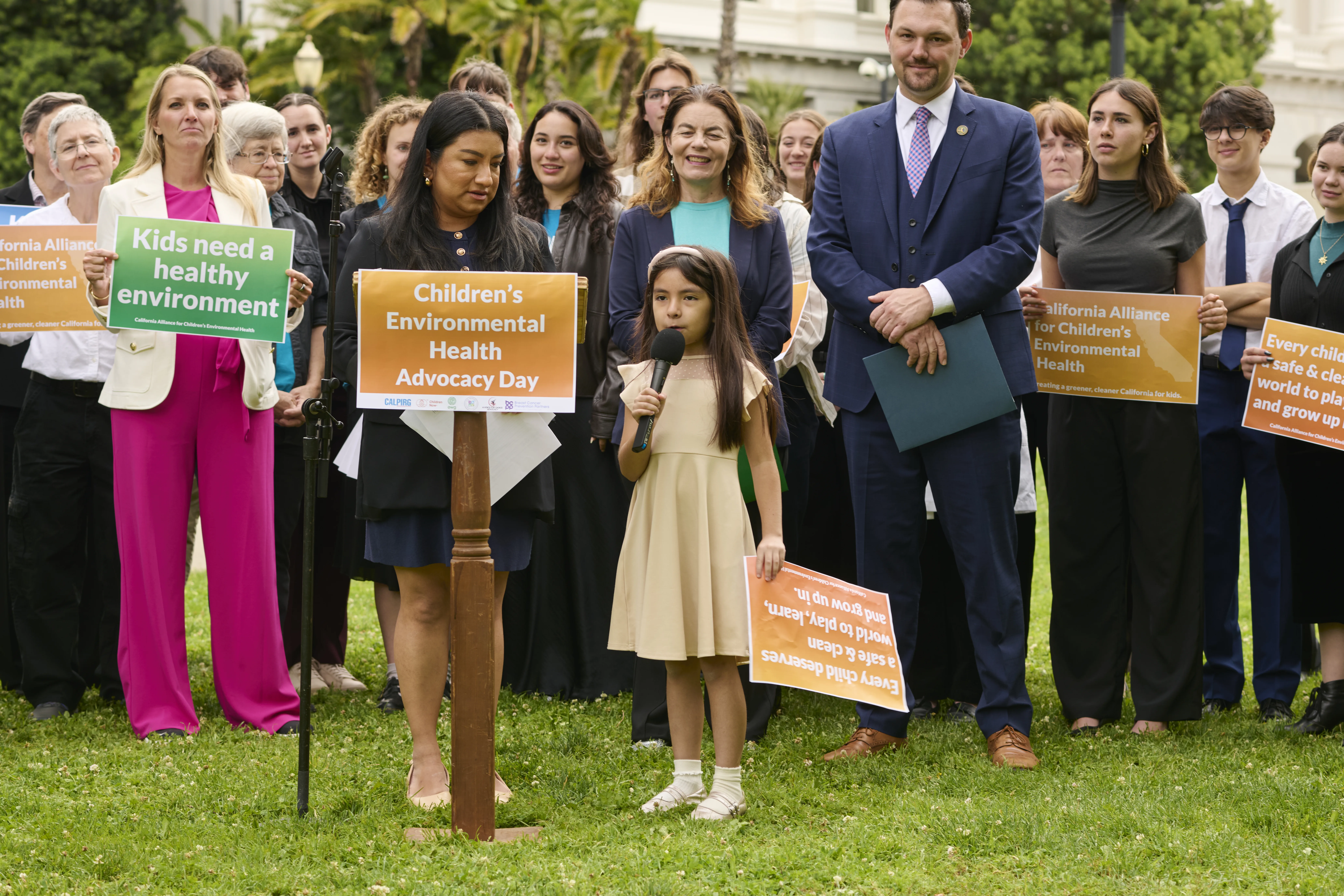
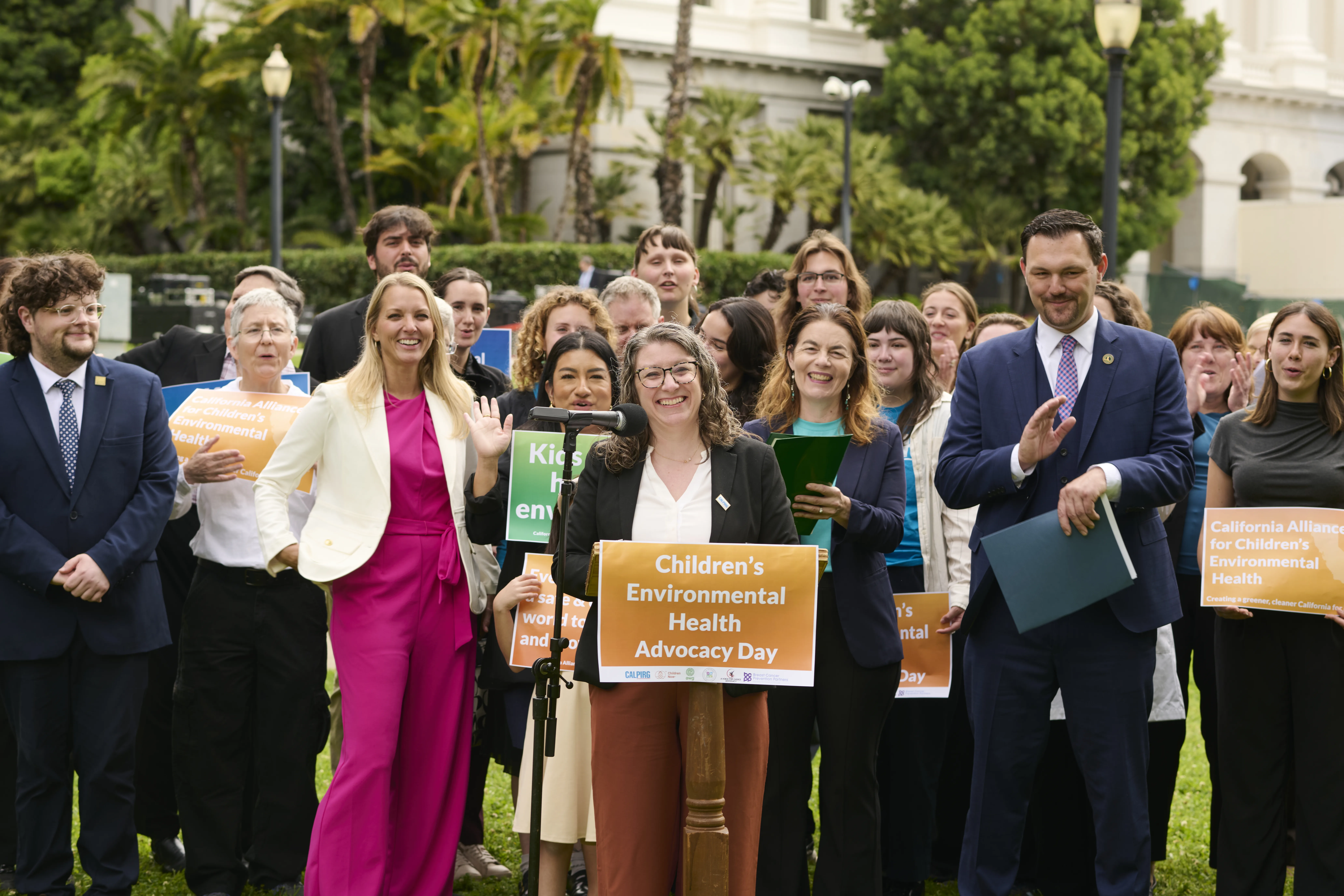
To fight for that future, the California Alliance for Children’s Environmental Health (CACEH) led the second annual Children’s Environmental Health Advocacy Day this May, calling on our state leaders to give our kids the protections they need to thrive.
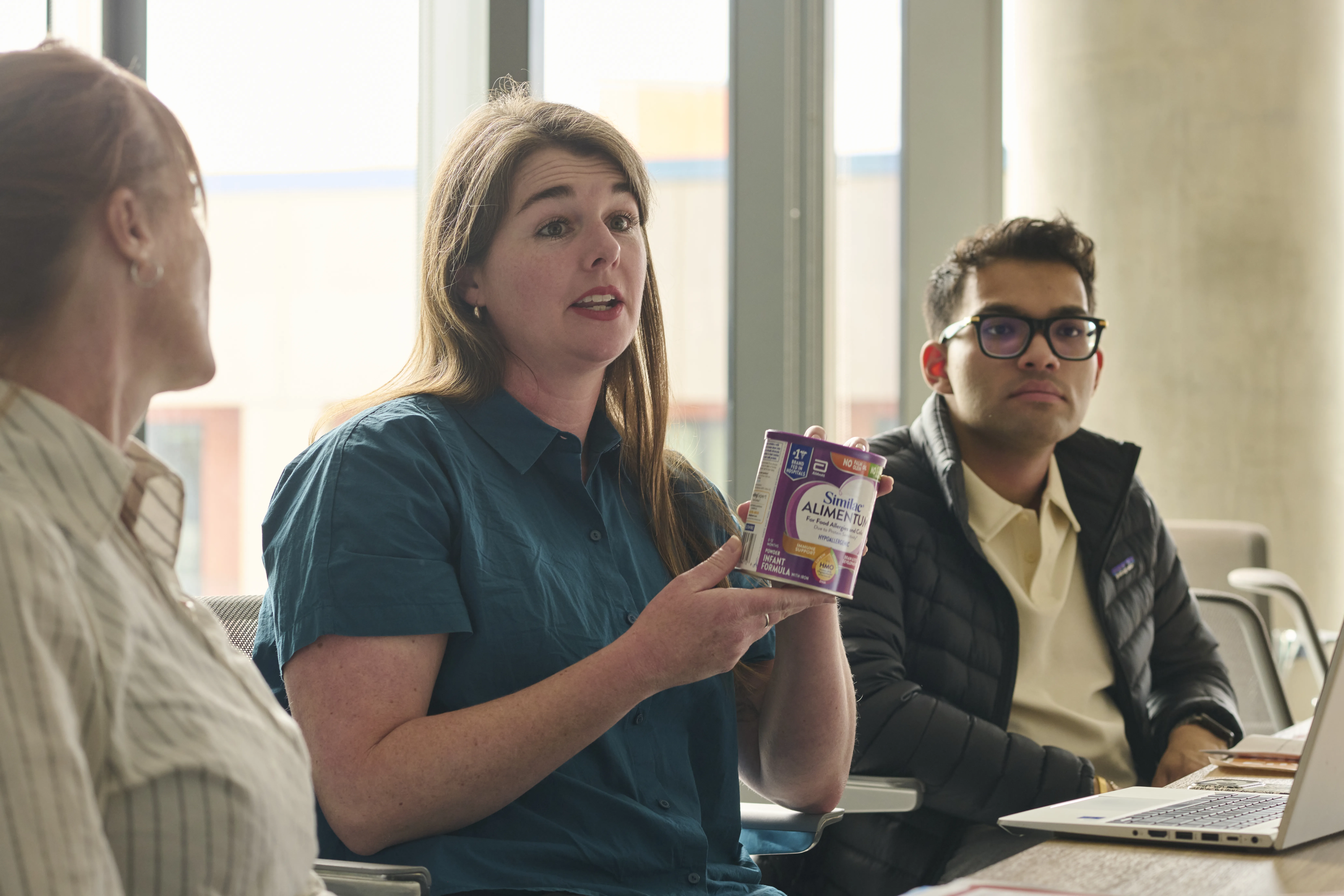
Organized by CalPIRG and coordinated with Children Now and other CACEH organizations, teams of advocates assembled at the Capitol to highlight the ways that environmental toxins are negatively impacting kids. At a press conference held in front of the Capitol building, environmental health champions Assemblymember Dawn Addis, Assemblymember Nick Schultz, pediatrician Dr. Katrina Marks, and a 7-year-old girl named Riley provided powerful statements on the need to improve kids’ environmental health. I joined them by highlighting the infant formula safety and diaper ingredient disclosure bills that Children Now is sponsoring, displaying a sample of infant formula that was tested to contain nearly TWICE the level of arsenic that the FDA allows in bottled water.
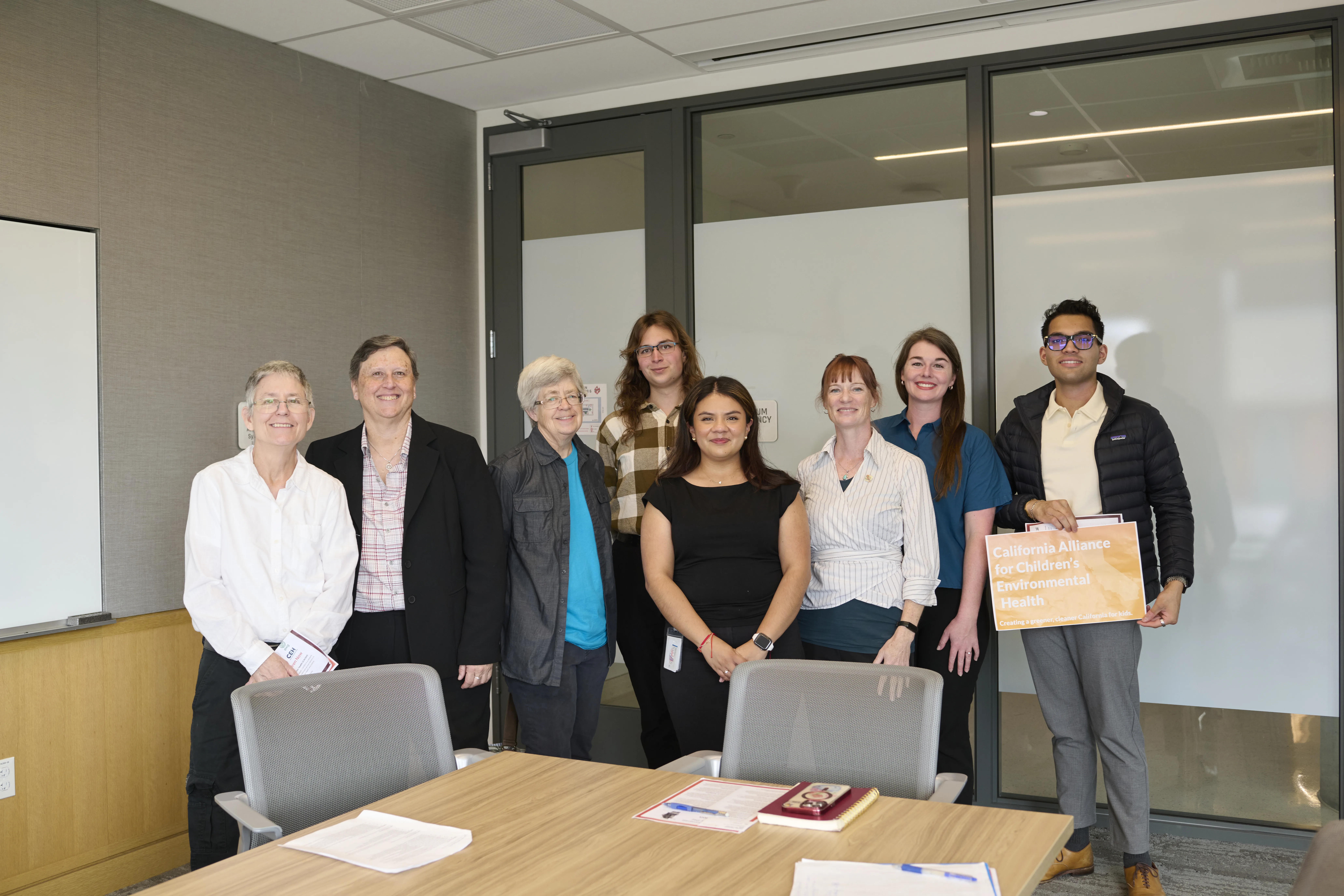
Advocacy teams combining long-time Capitol lobbyists with young adults, kids and their parents, retired teachers, and others then rode that momentum into engaging and thoughtful conversations with lawmakers. The talks centered on 10 environmentally-focused bills being debated in the California legislature that target toxic chemicals in products kids encounter every day, like infant formula, diapers, food packaging, and fresh fruit (see full list of bills below). The conversations with legislators and their staff were constructive, especially those around empowering parents and caregivers with transparent information about the products they choose for their kids. There was engagement from legislators on both sides of the aisle about how to keep kids safe from toxic exposure, and why parents deserve to know what their children are being exposed to.
The decision to meet with legislators in May was strategic, as the deadline for bills to exit their house of origin was fast approaching. Just a week later, legislators decided which bills would move forward out of the Appropriations Committee, where many bills fail.
Of the 10 bills prioritized during the Day of Advocacy:
- 1 passed the Assembly floor (AB 1822).
- 5 passed out of the Appropriations Committee to the Assembly floor, where they all received the necessary votes to proceed to the Senate (AB 1603, AB 1604, AB 1901, AB 2244, and AB 2302).
- 2 are two-year bills that have already passed to the Senate (AB 762 and AB 1148).
- 2 were held in Appropriations and may be revisited at a later date (AB 2034, SB 1033).
Children Now will continue to work alongside advocates and legislators throughout the legislative cycle to pass these bills and improve the environmental health of California kids. Learn more about the work we’re doing here.
Key Legislation from Children’s Environmental Health Advocacy Day
Bans the sale of disposable vapes. Nearly 500,000 disposable vapes are discarded in California every day. When improperly sent to the landfill, they can leach lead, mercury, and other toxins into our groundwater.
Eliminates bisphenols and phthalates, which are known endocrine disrupters, from food packaging. These hazardous chemicals can migrate into our food and our bodies, eliminating some of the worst offenders will limit families’ exposures to toxin from food packaging.
Phases out the use of pesticide that contain PFAS (“forever chemicals”), which are associated with developmental harms and other serious health concerns. PFAS pesticides are currently spread on crops favored by kids (like berries and peaches).
Eliminates bisphenol chemicals from paper receipts. These chemicals are linked to health issues for women and children, including developmental harms.
Authorizes the State Allocation Board to prioritize construction and leasing of school facility projects that include an efficient response to extreme heat and climate change. Classrooms that get too hot exacerbate existing inequities in student academic and health outcomes.
Requires children’s diaper manufacturers to label all ingredients. Recent testing shows that many diapers are made with ingredients linked to health concerns. Transparent information about what is in children’s diapers will give parents what they need to make informed decisions.
Requires food companies in California to provide evidence that their food chemicals are safe, prohibit carcinogens in food ingredients, and require real ingredient labeling (instead of allowing the use of vague terms like “natural flavors” and “artificial color”).
Establishes a “Not Ultraprocessed” seal that manufacturers could place on food products that meet clear standards. Ultraprocessed foods have been linked to serious health harms, including cancer and Type 2 diabetes. Grocery stores in California would also be required to feature products with the seal in high-traffic areas, making it easier for families to make healthier choices.
Requires infant formula manufacturers to regularly test products for heavy metals—such as lead and arsenic—and disclose test results on their website. Even low levels of exposure to these toxins can impact infant health and development, sometimes for a lifetime. This bill would give parents, caregivers, and pediatricians the transparent information they need to make informed choices.
Requires protein product manufacturers to test for heavy metals and disclose the results. Recent testing has raised serious concerns about contamination of protein products, including powders and beverages, with heavy metals. These products are widely consumed by young people—especially adolescent boys.