

May 30, 2025
Eileen Espejo leads Children Now’s efforts to improve oral health care quality and access for children in California.
She has served as a leader and advisory member on several national, state, and local advisory boards, including as National Oral Health Connection Team Leader of the Oral Health Progress & Equity Network (OPEN), the California Oral Health Advisory Partnership, the Los Angeles County Department of Public Health Oral Health Steering Committee, and as Chair of the Alameda County Oral Health Subcommittee.
Kids’ oral health is easy to take for granted until there’s a problem. In California, too many of our children suffer needlessly from childhood cavities, the most common yet preventable childhood disease. When left untreated, cavities can cause children pain, making it difficult to eat, play, or pay attention in school.
This problem is particularly striking in the Central Valley. In a survey of third graders in California, the Central Valley had the highest percentage of students with untreated tooth decay compared to other regions. It also has several dental health professional shortage areas (DHPSA) and a lack of providers who accept Medi-Cal, the state’s public health insurance for income-eligible children and families.
For these reasons, local oral health programs (LOHPs) in the Central Valley (and throughout California) have received support from the State Office of Oral Health, aimed at closing gaps in oral health services by establishing or expanding school dental programs in their communities. Situated in local health jurisdictions, these Central Valley LOHPs are partnering with their local educational agencies to help screen children for dental decay and identify providers to treat children when needed.
Through leading the Enhancing Collaboration for Children’s Oral Health (ECCOH) project, Children Now regularly convenes eight LOHPs in the Central Valley to share strategies to expand or establish school dental programs and facilitate partnerships to ensure that children in schools are screened and referred to dental care. So far, the project has led to numerous stories of successfully building relationships, promoting oral health services in schools, and helping kids attend school free of dental pain and concentrate on playing and learning. See below to hear just some of the highlights!
If you are from any of the counties sharing their stories below and would like to learn more, please reach out and we will put you in contact with these heroes who are helping to keep our children healthy!
Success Stories: Local Impact, Lasting Change
1. Strengthening Partnerships for Continued Support
Rhoda Gonzales (Fresno County): How relationship-building led to a school nurse returning to KOHA screenings.
“Attending community meetings such as Cradle to Career and Community of Practice meetings has resulted in building relationships including securing MOUs with school districts of which 84% of their elementary CCSPP designated schools have allowed us to provide KOHA screenings this year! That is the testament to being a community partner who consistently is present and has established trust with partners for the good of the children in the community.”
Joanna Orea (Madera County): The power of maintaining connections, leading to district-wide KOHA implementation.
“The important thing is to maintain the partnerships, because you don’t know when they’ll reach back out for services, so it’s important to keep the connection and check-in. The way that this played out is that Madera Unified has already made the KOHA form and implemented setting as part of their enrollment. So every incoming transitional kindergarten student or kindergarten student has to complete the KOHA to be enrolled in the school district. That was new for our county.”
Ariana Amezola (Madera County)
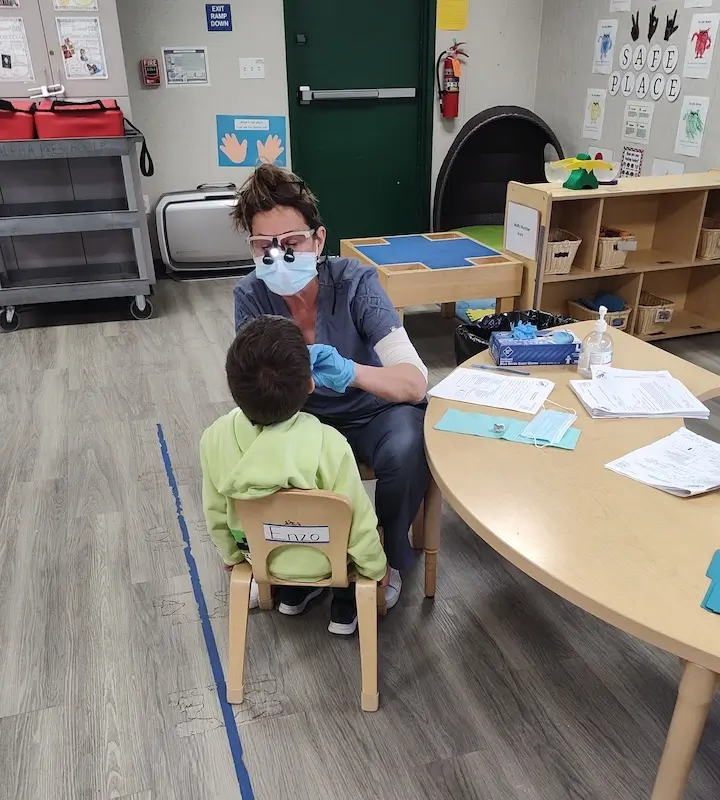
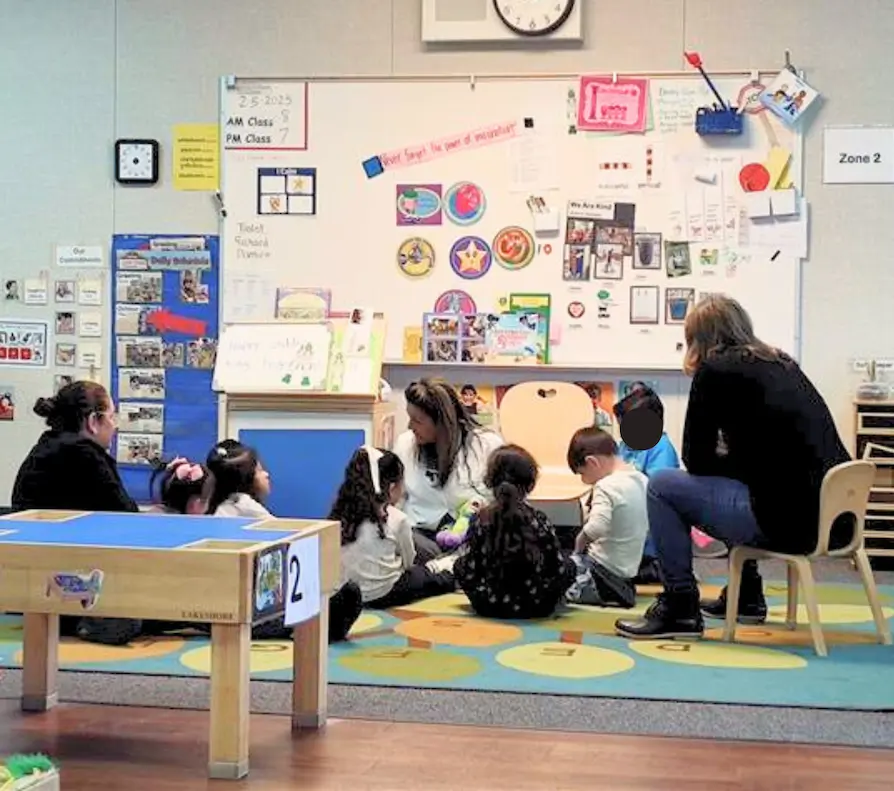
“Thanks to our partnership with a dedicated Registered Dental Hygienist in Madera County, we’re bringing vital dental screenings directly to kindergartners and Head Start students—many of whom are receiving their very first oral health assessment. This initiative is not just meeting state requirements; it’s planting the seeds for a lifetime of healthy smiles.”
Daniel Kim (San Joaquin County): Strategic planning and branding through Smile California and First 5 partnerships.
“We’ve been working with our First 5 here to get the Stella campaign out and the co-branded items. We’ve been working with Smile California to make Stella materials available. We have a branded guideline that was developed and shared out as well.”
2. Expanding Services to Reach More Students
Jodeci Felix (Fresno County): Growth from 8 to 11 schools, screening 596 Kindergarten students out of 762 eligible.
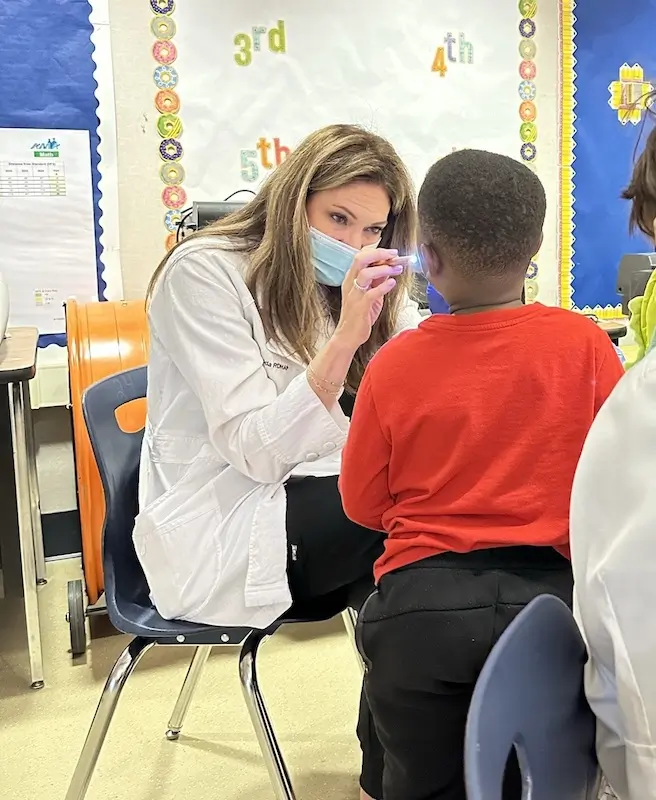
“For this last reporting period from July 2024 through December 2024we had screening of elementary students, out of 762 eligible students, we screened 596 at 11 participating elementary schools. Earlier in the year, they did 8 schools, so they added more sites.”
Sandy Navarro (Tulare County): Budget advocacy allowing screenings to double from 1,000 to 2,000 students.
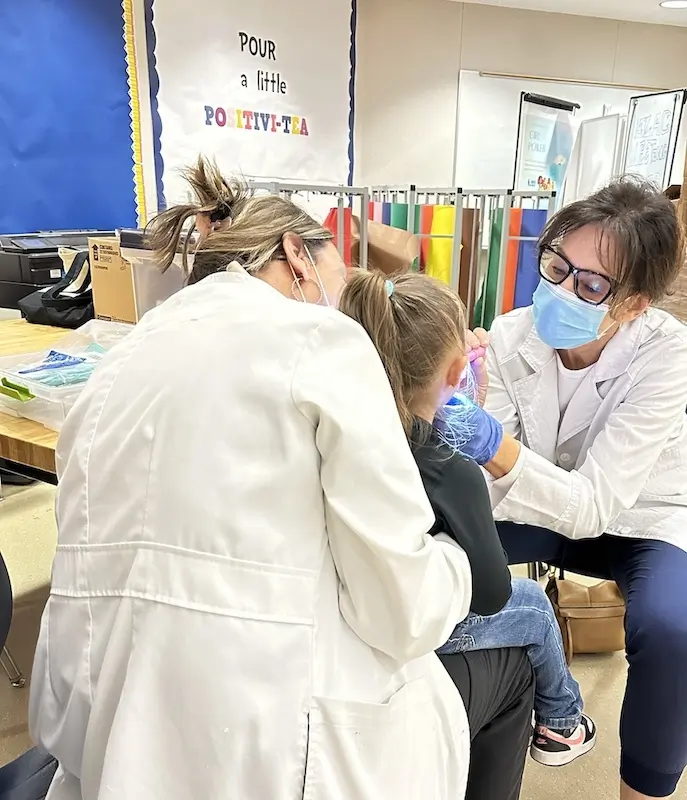
“This is our second year working with Children’s Choice. The first year was kind of bumpy, but from August to December, they were able to do 890 screenings to 7 different schools. Because we were able to roll over some of the money, we were able to expand our budget and that’s a success. We can serve another thousand kids for this year. So, we’ll be able to screen 2,000 kids for the 24-25 school year. Advocacy was important – we wanted to use that money to service more kids this year.”
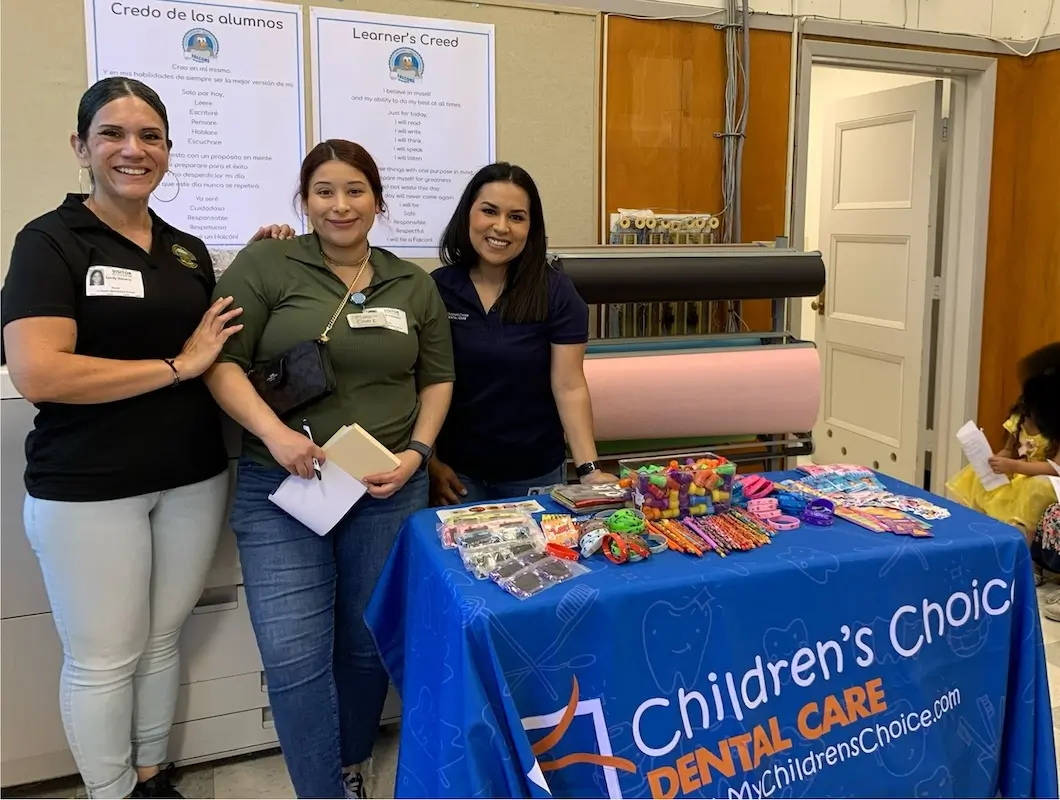
Tannia Hernandez (Kern County): Bringing oral health assessments to community schools and exploring mobile health clinics.
“Right now we are working with schools that are in the community schools’ programs to make sure that they have something in place and that the ones that don’t have a mobile health clinic. We are working with standard cabinet, which is one of the larger community school programs, and they’re working with all of us here, and representatives from other community schools as well, to get ideas on mobile health clinics in the area and bring someone in to do the oral health assessments”
3. Innovation and Leadership in Oral Health
Araceli Gomez (Kings County): Using data accuracy and leadership development to integrate oral health into school systems.
“Consistency is key – we’ve been working hard getting one of our districts involved, in Avenal, Reef-Sunset Unified School District, which is a rural area for us and we do need a lot of dental services. First, we engaged David Price, School District Nurse into the SCOHR process, making sure that the data for the SCOHR database was accurate. And that’s how the conversation got started and got our foot in the door. That evolved into David, becoming an oral health coalition member. Now, he’s our lead in piloting the electronic dental medical records system, that will take place later this year. We are one of two counties that work with the HRSA Workforce Development Grant w/ Dr. Bhoopathi and the goal is to further help in underserved areas such as Kings County and Stanislaus counties. Something that has helped shape that win was our dental champion, Dr. Nieblas, who is also our champion provider, a dentist and Oral Health Coalition Chair. I think partnerships, tenacity, keeping everything moving forward has helped bring us to this point.” Many of the schools in Kings County have a mobile dental screening/exam process in place, but no process is in place for referral and follow up.”
Sharrie Sprouse (Stanislaus County): A 6th grader in pain received urgent care thanks to a new dental coordination form.
“Our school success story involves a new dental care coordination form through the Department of Health Care Services. A school had reached out about a 6th grader who was in pain and they had been denied; they were in need of some higher-level care and were at a loss of what to do. The family didn’t know the next steps and the school nurse was struggling. We used the form and reached out to our Smile CA member rep. Using both resources, we were able to wrap around this family and close the loop to ensure that the student was able to get the care they need. We don’t have closed loop referral system yet, but this was a highlight.”
Key Takeaways: What Makes These Efforts Successful?
The stories above show the power of partnerships and highlight the need to sustain these relationships to ensure children receive services to improve their oral health and keep them in school, ready to learn. The LOHP representatives in the Central Valley are strengthening connections between local agencies, providers, and schools, helping to reduce student chronic absenteeism and keep kids healthier. Establishing and expanding school dental programs is made possible by several key themes exemplified by the LOHPs:
Consistency and Follow-Through
LOHPs persist in following-up on ways to bring dental screenings and services to schools where students are. While building relationships takes time, it pays off to ultimately expand the reach of school dental programs.
Advocacy and Resourcefulness
LOHPs share their expertise and knowledge about the benefits of school dental programs and leverage their relationships with providers and community-based organizations. This ensures children who need care receive services, including bringing back school nurses to assist with kindergarten oral health assessments.
Collaboration and Leadership
Through their connections and knowledge of processes to navigate the health system, schools can look to LOHPs for leadership in bringing dental care screenings and services to students. This is reflected in LOHPs bringing local expertise on their oral health advisory committees to strategize about where school dental programs could be established.
Innovation in Service Delivery
LOHPs are exploring how mobile dental services can be used to increase access for children. Additionally, they are leveraging tools such as the Medi-Cal Dental Care Coordination Referral Form to ensure and track children who require urgent dental care.
What’s next?
ECCOH will continue working with LOHPs in the Central Valley and will soon expand to work with LOHPs in the northern part of the state. If you’d like to learn more about or get involved with LOHPs work and ECCOH, please contact Eileen Espejo: [email protected].


